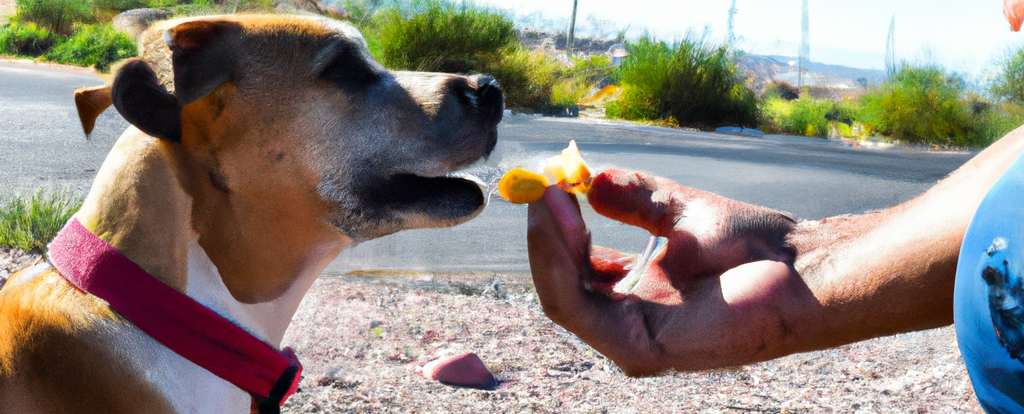
The Unfailing Magnetism: Dogs, Strangers, and The Universal Love for Treats


The world as seen through the eyes of a dog is a fascinating place. Full of intriguing sights, sounds, and scents, it's a constant adventure. However, few things can draw their attention away from the wondrous exploration - the enticing aroma and prospect of a delicious treat, especially when it comes from an unexpected source: a stranger.
Any dog owner can attest to the magic power of treats. A small biscuit can swiftly turn a distraction into a focused gaze, a frenzy into calm, and a stubborn hound into an obedient companion. This love for treats transcends the confines of familiarity. It extends to anyone and everyone willing to offer a tidbit. Strangers quickly become friends when armed with a tasty morsel.
Yet, why does this phenomenon occur? Why do dogs love treats, especially from strangers?
For dogs, treats serve multiple purposes. They are a source of nutrition, a form of reward, and an avenue for cognitive and behavioral training. The allure of a treat, then, lies not just in its taste but in its value as a token of positive reinforcement.
When it comes to strangers, the attraction towards treats takes on a new dimension. Dogs are inherently social animals. They are descendants of wolves, creatures known for their complex social structures and relationships. Their love for treats from strangers stems from their inherent need for social bonding and exploration.
Accepting a treat from a stranger may initially seem risky to a dog, but it’s an important part of their sociability and curiosity. In a safe environment, this action becomes an opportunity for dogs to extend their social network beyond their immediate family.
Additionally, dogs have a keen sense of smell that plays a fundamental role in their behavior and interaction with their environment. The tantalizing smell of a treat can lure a dog's attention even from afar. Thus, a stranger offering a treat automatically becomes a point of interest.
However, this affection for treats from strangers should be moderated and managed responsibly. Not all dogs react the same way to strangers, and not all strangers have the best intentions or the most suitable treats. Some dogs may be fearful or aggressive towards unfamiliar people, and some people may not be aware of potential dietary restrictions or allergens that a dog might have.
Therefore, as pet owners, it's essential to educate others about our dogs' dietary needs and behavioral characteristics. If your dog is friendly and comfortable receiving treats from strangers, make sure those treats are safe and suitable for your pet. If your dog is more anxious or reserved, kindly discourage strangers from offering treats, and explain that it can cause stress or health issues for your pet.
In conclusion, dogs' love for treats, especially from strangers, is a fascinating testament to their social nature, curiosity, and, above all, their incredible sense of smell. It’s a delightful occurrence that brightens many people's day, strengthening the bond between humans and dogs. However, this phenomenon should always be managed with care and responsibility to ensure the health and happiness of our four-legged friends. Remember, treats are indeed treats and should complement a balanced diet, not replace it. Similarly, the joy of social interaction should never come at the cost of your pet's comfort and wellbeing.